
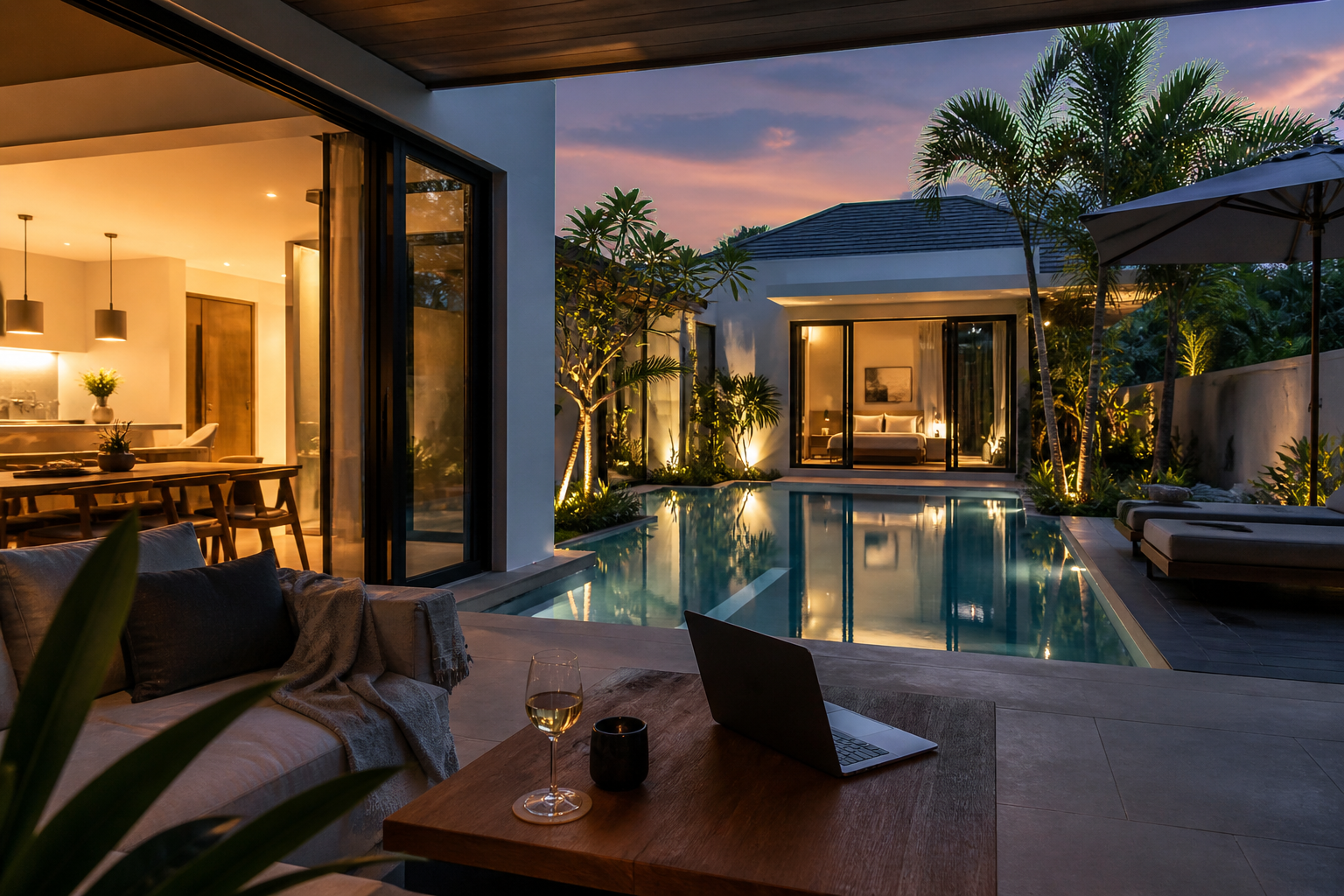
Is Phuket Property a Good Investment in 2026?
A Phuket property investment in 2026 attracts strong international interest, but the outcome is no longer as predictable as it once was.
The island has officially transitioned from a holiday destination into a mature, year-round residential economy.
This evolution means that while the opportunities are significant, the results are now split. Some buyers are achieving stable rental income and consistent value growth, while others end up with properties that look good in a brochure but struggle to perform in the reality of today's market.
The difference rarely comes down to luck. It comes down to recognizing that the market no longer moves as a single unit.
Success in 2026 depends on how well a property matches the actual, permanent demand on the island.
This page is not here to sell you the idea of Phuket; it is here to show you how the market actually works today, where the demand is concentrated, and why some decisions lead to long-term stability while others fall behind.
- Market Status: Phuket is now a "Mature Market." Growth is driven by 12-month residency rather than seasonal holiday spikes.
- Yield Performance: Well-positioned assets in residential hubs typically deliver 6% to 9% annual rental yields.
- Appreciation Drivers: Value is increasingly tied to infrastructure milestones like the Heroines Monument underpass and the airport expansion.
- Top Performing Assets: 3-bedroom villas in gated communities near international schools (BCIS, UWC, ISP) are outperforming traditional hotel-managed units.
- Strategy Shift: The "Lifestyle Resident" (remote professionals and expat families) is now the primary driver of consistent rental income.
Why Phuket Property Attracts International Buyers
The shift isn’t about tourism anymore. It’s about residency.
In 2026, Phuket’s appeal is no longer just about lifestyle; it is about how lifestyle and infrastructure have started to support each other. Unlike many resort markets in Southeast Asia, Phuket has evolved into a year-round economy.
People aren't just moving their money here; they are moving their lives.
Buyers coming into Phuket today aren’t looking for two-week stays. They’re setting up a base.
These are families who prioritize being 10 minutes away from international schools, remote professionals who need stable fiber-optic grids, and lifestyle residents who value the local social fabric over temporary holiday trends.
The introduction of more flexible visa options has accelerated this shift, but it’s the reality on the ground that sustains it. Phuket functions better in real life than it does on a brochure.
The island offers a mix of world-class medical facilities, high-tier education, and a gastronomy scene that rival major capitals.
This self-sustaining community infrastructure is what provides the floor for property values, keeping the market active long after the "high season" ends.
Not because it is easy money. But because, when approached correctly, the island offers a stability that seasonal markets simply can't match.
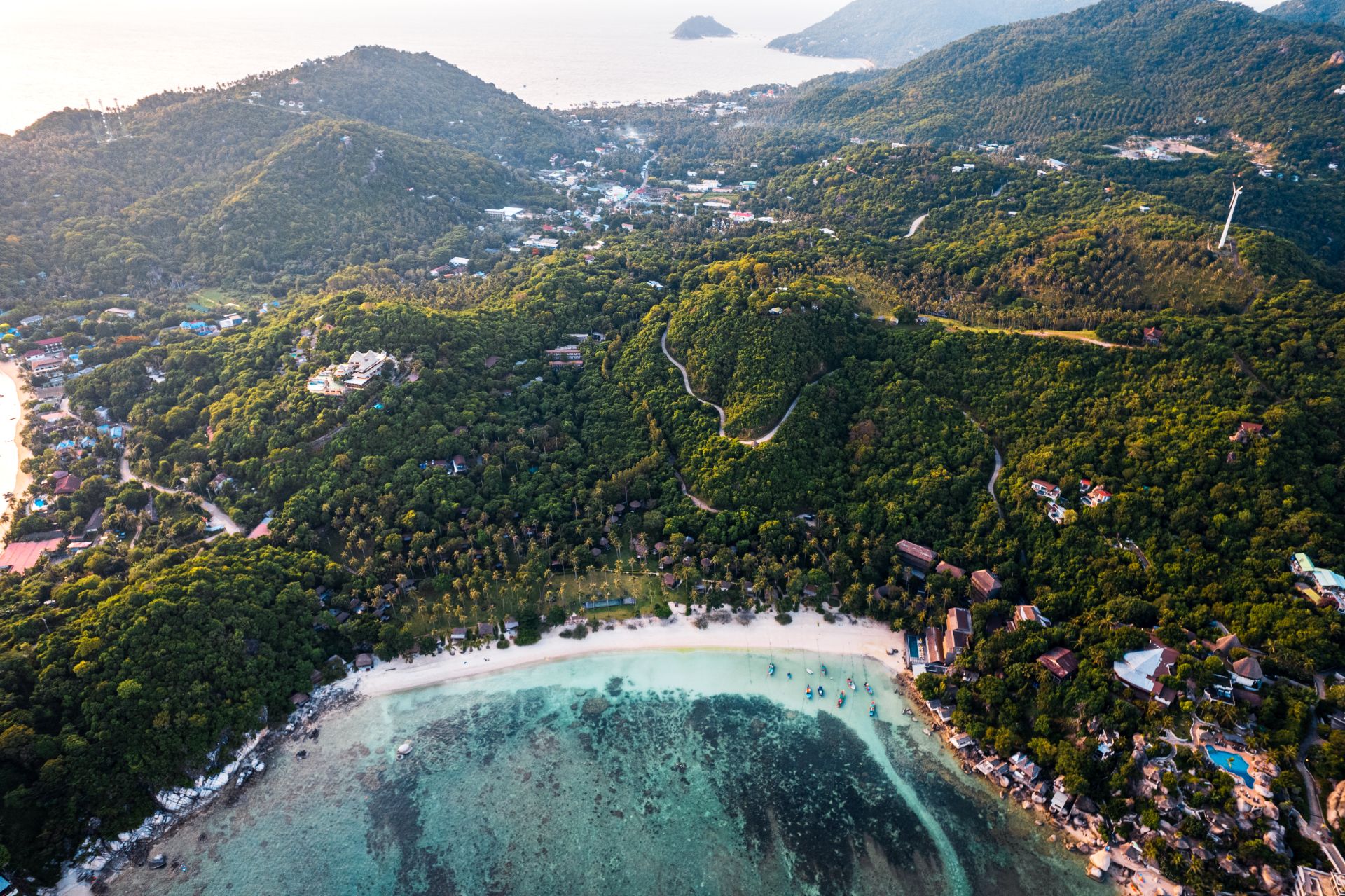
How Property Investment Actually Works in Phuket
Success with a Phuket property investment does not depend on finding a secret deal. It comes down to how you answer three simple questions: where is it, what is it, and who is going to pay to stay there?
If these three answers do not align, you will likely end up with a high maintenance asset that looks great in photos but stays empty for months.
Location Drives Demand and Liquidity
In Phuket, five kilometers can be the difference between a property that sells in weeks and one that sits on the market for a year. Liquidity, which is the ability to turn that investment back into cash, depends on how the location fits into the practicalities of daily life.
The market is moving toward the 15-minute circle. The most resilient properties are those within a short drive of the essentials: schools like BCIS or UWC, proper medical centers, and grocery hubs like Villa Market or Central Porto de Phuket.
A remote villa on a steep hill might have a stunning sunset, but if it takes 40 minutes to reach a decent coffee shop, the pool of potential tenants shrinks. Accessibility is the real currency here.
Property Type Shapes Income and Risk
What you buy dictates how much of your profit will be eaten by maintenance and repairs over time.
- Condominiums are the classic lock up and leave investments. They work well for those who do not want to worry about gardening or pool cleaning. In 2026, the trend favors low rise, boutique projects that offer more privacy. They are easier to manage from abroad, but remember that smaller living spaces often mean higher tenant turnover.
- Villas are where the real long-term growth is found. Expat families almost always prefer a private pool villa. However, the tropical climate is brutal. Without modern, tropical designs and durable materials, you will spend your first few years of rental income just fighting humidity and repainting walls. Smart buyers prioritize build quality over ornate styles that look expensive but fail quickly in the heat.
Rental Strategy Defines Your Returns
Decide the rental game before you sign the contract.
- Short-Term Rentals are the high energy route. You target tourists during the peak months from November to April. The daily rates are high, but you are essentially running a hospitality business with high management fees and constant wear and tear on your furniture.
- Long-Term Rentals are the quiet winner of 2026. By focusing on people who actually live on the island, such as remote professionals or families tied to school calendars, you get 12 month commitments. You might see a lower daily rate, but when zero vacancy and minimal marketing costs are factored in, the net profit is often more stable and far easier to manage.
Property Investment in Phuket Depends on Your Strategy
Success in the market is not a one-size-fits-all outcome. A Phuket property investment that works for a family living on the island can be a financial disaster for someone chasing weekly cash flow. Before looking at floor plans, you must define how you want to play the game.
The market in 2026 rewards those who choose one lane and accept its specific risks, rather than trying to satisfy every type of tenant at once.
2026 Strategy and Risk Selector
Use this as a starting point to see how your goals align with the operational reality of the island.
Strategy | Priority | Ideal Property | Reality Check (What Can Go Wrong) | Expected Outcome |
|---|---|---|---|---|
High Yield | Cash Flow | Managed Condos / Small Villas | High management fees and seasonal vacancy | 7% to 10% Gross |
Stability | Occupancy | 3-Bedroom Residential Villas | Lower daily rates and long-term wear | 5% to 7% Net |
Lifestyle | Personal Use | High-spec Villas / Beachfront | High holding costs and lower liquidity | Value in Use + Equity |
Appreciation | Equity Growth | Off-plan Land / Emerging Areas | Construction delays and market timing | 20%+ over 5 years |
If Your Goal Is Short-Term Rental Income
This is the high-intensity route where you are essentially entering the hospitality business. To succeed here, the property must function like a hotel suite.
In 2026, tourists are no longer looking for just a room; they want a space that is operationally seamless and ready for immediate use.
The focus should be on professionally managed complexes that handle everything from linen changes to international marketing.
While daily rates are high, the net profit is heavily impacted by management fees, often 20% to 30%, and the seasonal nature of the island.
If the property lacks a high-tier management team, it will sit empty during the quieter months while your fixed costs remain.
If You Prefer Stable Long-Term Income
The most reliable play in the current market focuses on the "Lifestyle Resident" segment, which includes expatriate families, remote professionals, and business owners who live on the island year-round.
For this, the target is 3-bedroom villas in gated communities near international schools or functional hubs.
The advantage here is predictability. You sign 12-month contracts, avoid the constant turnover of tourists, and drastically reduce marketing spend.
Your furniture stays in better condition, and your income remains steady even during the monsoon season. It is the most practical way to secure a steady return with minimal daily involvement.
If You Are Buying for Lifestyle or a Second Home
When buying for personal use, the ROI is the quality of your time on the island.
However, the trap is choosing a property that is too personal, making it difficult to rent or sell later. To protect your capital, there must be a balance between personal taste and market standards.
A villa with an unconventional layout might suit your lifestyle, but it can sit on the resale market for years. Even if there are no plans to rent it out now, the property must still fit the 15-minute circle criteria.
Lifestyle buyers who ignore infrastructure often find their dream home becomes an isolated liability when they eventually try to sell.
If You Are Focused on Long-Term Capital Growth
This is a play on patience and the future map of Phuket. Instead of looking at current rental yields, the focus is on where the next underpass, luxury mall, or school is being built.
In 2026, the biggest gains are found in "path of progress" zones, which are areas that are currently undervalued but are next in line for infrastructure upgrades.
This involves securing land in emerging residential pockets or buying off-plan from reputable developers. The risk is timing.
You are buying into a vision that might take years to mature.
If you do not need immediate cash flow and can afford to let your equity sit, this strategy offers the highest potential for wealth creation.
Choosing the Right Area in Phuket for Your Strategy
Phuket is a collection of micro-markets. Buying in the wrong spot for your specific goal is the easiest way to end up with an asset that does not fit your lifestyle or your bank account.
In 2026, the island is functional and segmented; choosing a location that contradicts your strategy will cost you both time and money.
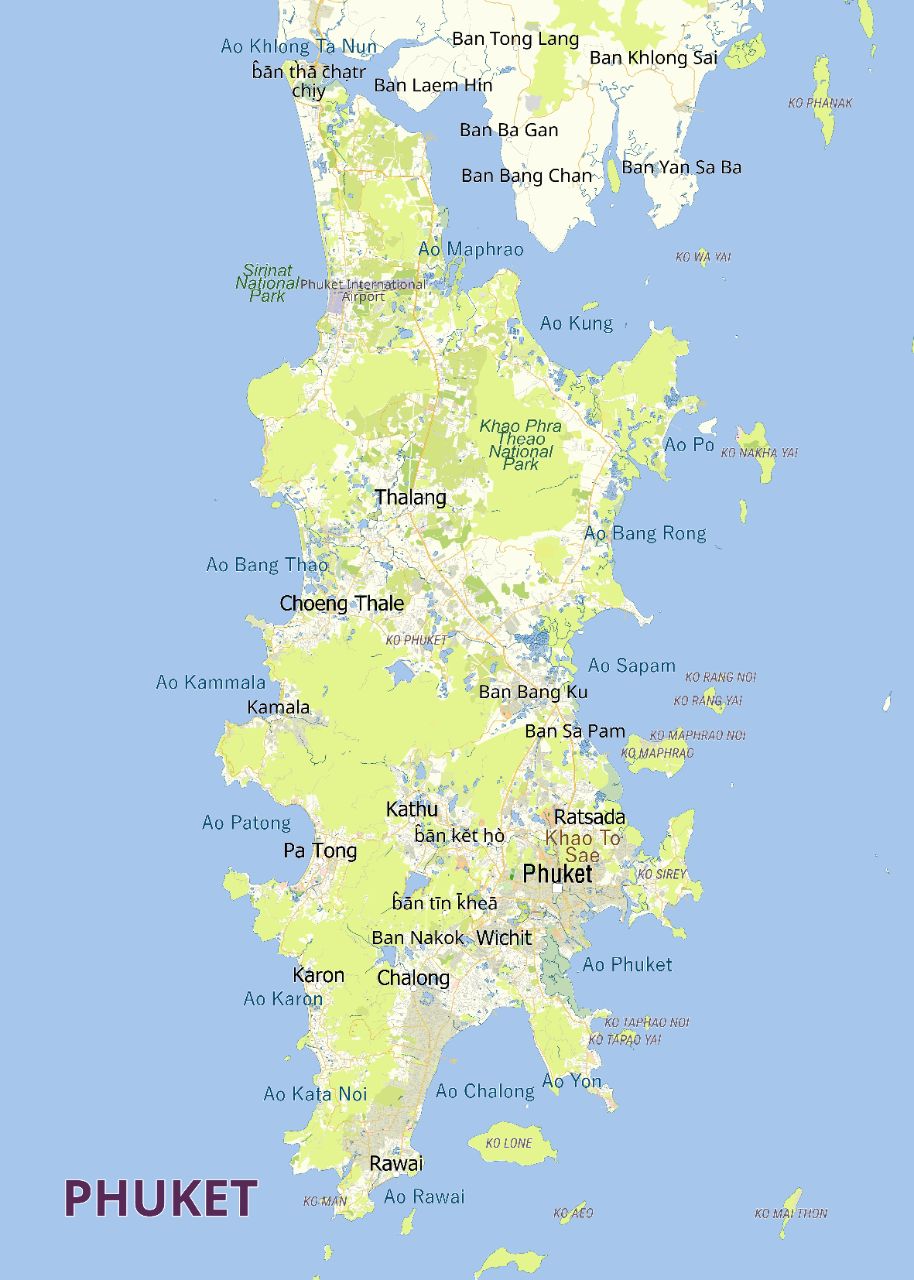
Where Short-Term Rental Demand Stays Consistently High
The West Coast remains the primary driver for holiday rentals. Areas like Bang Tao and Kamala attract the bulk of high-spending tourists who want proximity to beach clubs and luxury dining.
- Why it works: You are betting on the tourism infrastructure. These areas have the highest concentration of "Instagrammability" and sand access, which allows for aggressive daily rates during the peak season.
- What can go wrong: The seasonality is brutal. From May to October, these areas can feel like ghost towns compared to the winter months. If your mortgage or maintenance costs depend on 12 months of high occupancy, the West Coast might leave you with a significant cash flow gap during the rainy season.
Where Long-Term Tenants Create Stable Occupancy
For those who want a more predictable life, the South is the logical choice. Rawai and Chalong have successfully moved away from being tourist stops and are now permanent residential anchors.
- Why it works: This area is built around the 15-minute circle of real life. With international schools like BCIS and ISP nearby, you are targeting families and professionals who stay for years, not weeks.
- What can go wrong: You will not see the "lottery" daily rates of the West Coast. The income is steady but capped. Additionally, because these areas are popular for living, traffic congestion during school hours has become a serious factor that can affect the long-term desirability of specific sub-sois.
Where Long-Term Value Growth is More Likely
Capital appreciation is currently trending North. As the South and Central hubs reach their limits, areas around Thalang and Layan are seeing the most infrastructure-led growth.
- Why it works: You are buying into the island’s expansion. With new road underpasses and proximity to the airport, this is where the next generation of high-quality gated communities is being built.
- What can go wrong: This is an equity play, not a quick cash flow play. The social fabric, such as cafes, gyms, and community hubs, is still catching up. If you need to rent the property out immediately to cover costs, you might find the market is not yet deep enough to support high rents.
Where Early-Stage Opportunities Still Exist
If the luxury prices of the coast are out of reach, the inland pockets of Kathu or the edges of Cherngtalay offer a different entry point.
- Why it works: You get more land or square footage for your money while staying within a 20-minute drive of the prime zones. These areas are in transition and offer the highest potential for buying low before the 15-minute circle expands further.
- What can go wrong: You are living or investing in a construction zone. The risk here is timing and holding breath. If the planned local infrastructure stalls, you could be stuck with a property that is too far from the action to attract high-quality tenants but too expensive to maintain as a basic rental.
Strategy Summary: Area Performance 2026
Area | Why it Works | Reality Check (What Can Go Wrong) | Best For |
|---|---|---|---|
Bang Tao / Kamala | Tourism engine and beach access | Brutal seasonal vacancy (May to Oct) | High-yield cash seekers |
Rawai / Chalong | Built around schools and real life | Capped rental rates and traffic | Risk-averse investors |
Layan / Thalang | Path of infrastructure growth | Immature social scene and slow ROI | Long-term equity growth |
Kathu / Inland | Lower entry price per sq.m | Construction noise and timing risk | Budget-conscious buyers |
What Most Buyers Get Wrong in Phuket Property
In Phuket, the most expensive mistakes aren't usually made in the sales office; they are made months after the purchase when reality sets in.
Most buyers focus on the "deal" while ignoring the operational friction that actually dictates their daily life and bank balance.
Confusing Ownership Structures and Legal Limits
The legal side of a Phuket property investment is often treated as a hurdle to clear rather than a strategy to manage. Most buyers get stuck on the "Freehold vs. Leasehold" debate without looking at the long-term flexibility.
The mistake is assuming that one is always better than the other.
Leasehold is often dismissed, yet for many, it offers a faster entry and exit path with lower taxes.
Conversely, buyers who go for Freehold through a company that exists only on paper often underestimate the ongoing costs and responsibilities. Maintaining that structure still takes time, attention, and money.
Instead of chasing a “perfect” legal status, focus on how the ownership supports your exit. If you plan to sell within five years, the permanence of Freehold can easily turn into unnecessary complexity.
Choosing the Wrong Location for the Intended Use
Buyers often fall in love with a property during a high-season holiday and assume that vibe stays consistent year-round. They ignore the specific "micro-frictions" of the island that only become apparent after living here.
The most common error is underestimating the impact of Phuket’s geography on daily logistics. A stunning villa on a steep Kamala hillside looks great in a brochure, but the reality of driving 15 minutes of hairpin turns just to get a liter of milk becomes a burden very quickly.
Similarly, many buy in "tourist hotspots" only to find that the 6:00 PM traffic gridlock makes reaching their favorite restaurant or their child’s school an hour-long ordeal.
Accessibility isn't about kilometers; it is about how many traffic lights and hills stand between you and your "15-minute circle."
Buying a Property That Doesn’t Match Your Strategy
This is the "jack of all trades" trap. Buyers try to find a property that works as a high-yield rental, a family holiday home, and a future retirement spot all at once.
In 2026, the market is too segmented for this to work.
If you buy a high-spec villa with delicate finishes and custom furniture, letting tourists in for short-term stays will destroy your asset.
The humidity and salt air already work 24/7 to eat your building; adding high-turnover guests who don't care about your pool deck is a recipe for a maintenance nightmare.
A property designed for a family needs durability and storage; a property designed for rental needs "wow" factors and professional management.
Trying to force one property to do both usually results in a home that is too fragile for rentals and too impersonal for a lifestyle.
Decide if you are buying a business or a personal home, because the island will charge you a premium for trying to do both.
Is Phuket Property a Good Investment After All?
The answer is rarely a simple "yes" or "no." It depends on whether you are approaching the island with a strategy or just a set of assumptions.
Phuket is no longer a wild-frontier market where any purchase eventually turns a profit.
In 2026, it is a mature and high-competition environment that rewards precision while punishing those who buy based on emotions.
To determine if a Phuket property investment makes sense for you, stop looking at the ROI spreadsheets provided by developers and start asking if you can handle the operational reality.
The Profit Is in the Patience
If you are looking for a quick "flip" or a massive return within eighteen months, you are in the wrong market. Phuket is a medium to long-term play. Success here is measured in five to ten-year cycles.
You must be able to withstand the seasonal swings, the tropical wear on your asset, and the occasional shifts in global tourism.
If your financial stability depends on every single week being booked at peak rates, the risk is too high for your profile.
Yield vs. Ease of Mind
You have to choose your battle. You can chase the 10% gross yields in high-density tourist zones, but you must accept the high management fees, the constant furniture replacement, and the "hospitality" headache that comes with it.
Alternatively, you can take a lower and more stable yield in a residential area and sleep better at night.
A good investment is simply the one that aligns with your capacity for stress.
If you live ten time zones away and do not have a trusted team on the ground, that high-yield condo might be a net loss when you factor in your time and frustration.
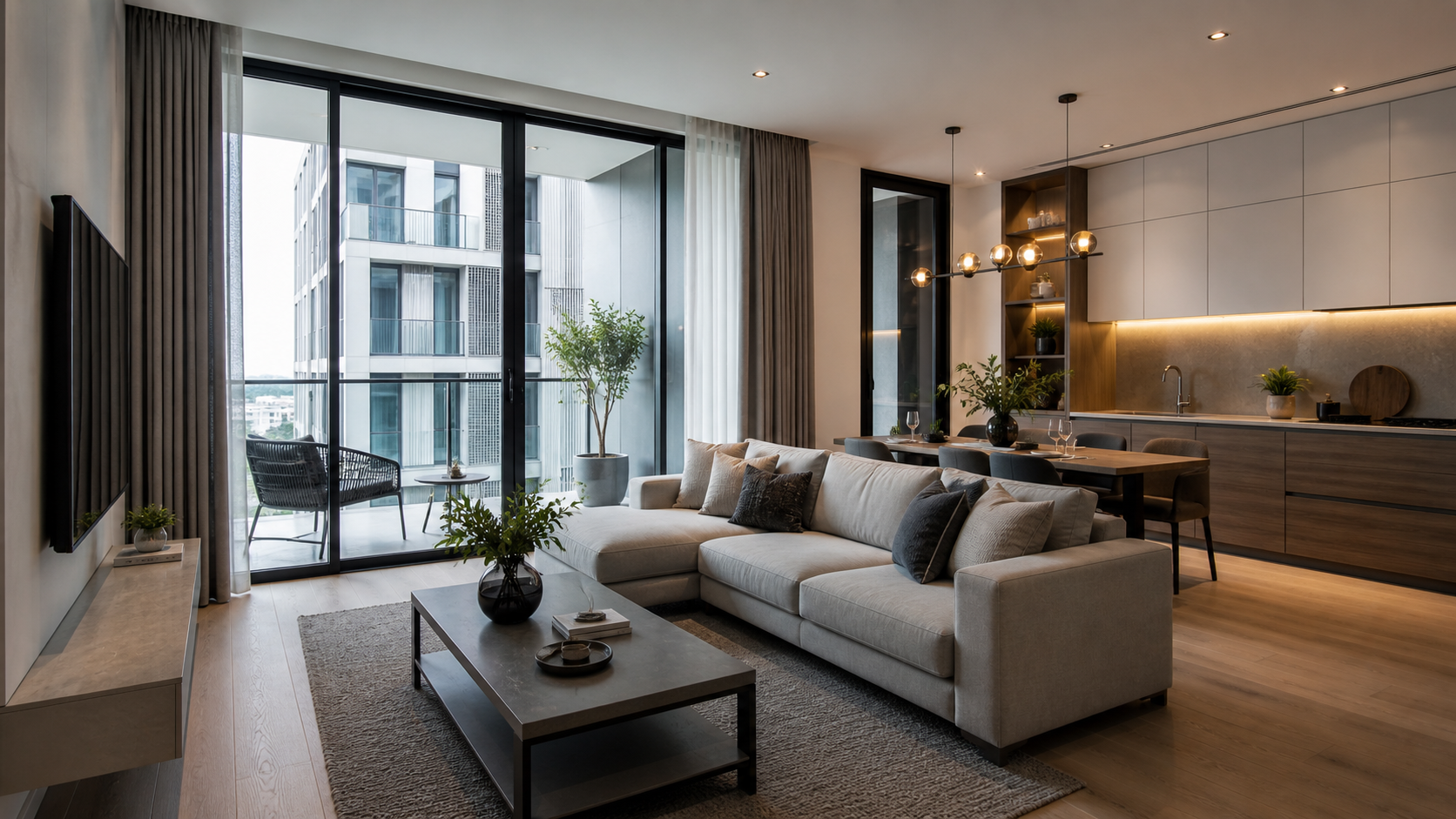
The 15-Minute Reality Check
Ultimately, the best investments on the island are the ones that serve a practical purpose. Does the property solve a problem for a tenant? Is it near a school they need, a beach they love, or a workplace they frequent?
If the property only works during a perfect sunny week in January, it is a speculative bet instead of an investment.
A solid asset in Phuket is one that remains functional and desirable even when the sun is not shining and the tourists are not flocking to the beach.
If you cannot see the property being used 365 days a year by someone, whether it is a digital nomad, a local family, or a high-end traveler, then you are not investing; you are just buying an expensive souvenir.
Questions Buyers Ask Before Investing in Phuket
- How do you handle the legal risk without overcomplicating it?
Legal security in Phuket is about structure rather than luck. Stop chasing a "perfect" status and align the ownership with your timeline. For many, a well-drafted leasehold is a cleaner, faster tool for an exit. If you insist on freehold through a company that exists only on paper, accept the ongoing attention and costs. The risk is not the law; it is using a complex structure for a simple five-year play. - What is the real cost of entry and holding in Phuket?
The purchase price is just the entry fee. Beyond taxes, you must account for the aggressive holding costs of the tropics. The salt air and humidity work 24/7 to degrade your asset. If you only look at the mortgage and ignore the cost of fighting the climate, such as pool chemistry, repainting, and AC maintenance, your net yield will vanish. - Is off-plan property a safe bet or a construction trap?
Off-plan offers the highest gains, but a shiny brochure is not a guarantee of completion. To avoid the trap, ignore the 3D renders and investigate the developer’s track record of finished projects. If they have no history of delivering quality on the island, you are not investing; you are gambling on a construction site. - How is your property managed when you are not in Phuket?
Distance is the enemy of a tropical asset. Managing a villa from five thousand miles away is impossible without a team. You either pay a premium for a managed complex or hire a private manager you trust. Without eyes on the ground, a small leak in June becomes a structural nightmare by December. - How long does it realistically take to exit your investment?
Phuket is not a high-frequency trading desk. While a prime condo might sell in a few months, a unique villa can sit for over a year. If you need to liquidate capital within weeks, property on an island is the wrong asset class for you. Plan your exit at least twelve to eighteen months in advance. - What happens when your property doesn’t match your strategy?
This is the fastest path to a financial loss. If you buy a residential home but try to run it as a high-turnover rental, the wear and tear will exceed your income. When the property and strategy do not align, you end up with an asset that is too expensive to maintain and too frustrating to own. Pick one lane and stay in it.