
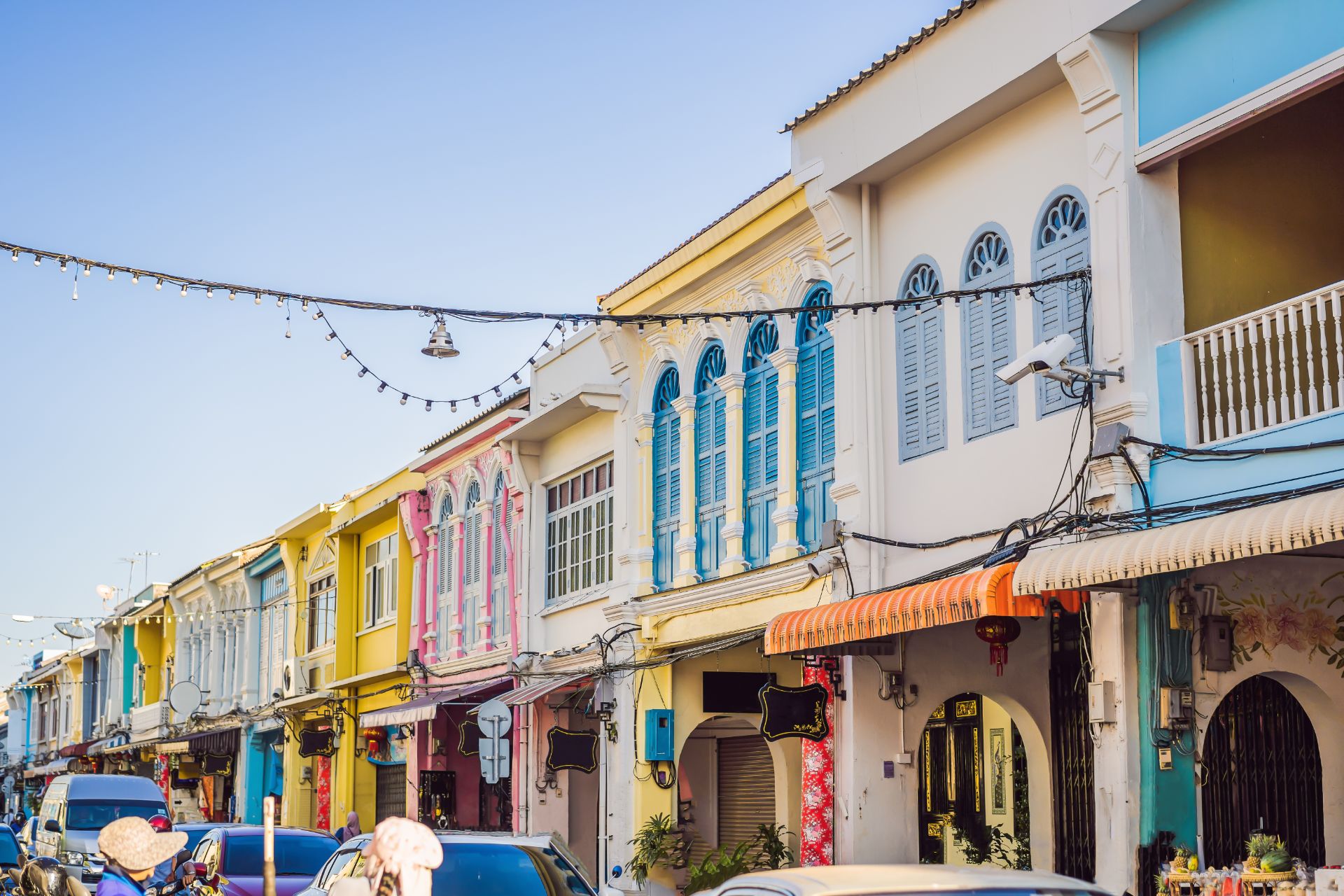
Phuket Old Town Real Estate: Investing in the Island’s Cultural and Commercial Heart
Phuket Old Town serves as the authentic soul and administrative backbone of the island, offering a property market that operates independently of coastal tourism cycles.
For a strategic investor, this district represents a defensive asset class where property value is anchored by permanent commerce, government activity, and a thriving local population.
Investing here means acquiring a piece of history within a dense and walkable urban environment where historic shophouses stand alongside modern developments, providing a durable pricing floor that protects capital even during economic fluctuations.
Market Character: Stable urban residential and heritage commercial hub independent of seasonal tourism volatility.
Primary Assets: Historic Sino-Portuguese shophouses with adaptive reuse potential and modern low-rise condominiums for professional residents.
Occupancy Advantage: Year-round demand driven by the island’s professional workforce, healthcare staff, and government administrative elite.
Infrastructure Grade: High with direct access to leading international hospitals, administrative offices, and major retail centers like Central Phuket.
ROI Strategy: Capital preservation through heritage renovation and predictable cash flow from long-term twelve-month lease structures.
Strategic Proximity: Within 10 minutes of primary shopping hubs and 20 to 25 minutes from the pristine southern beaches.
Investor Profile: Business-minded buyers seeking historical soul, durable demand, and long-term asset security within a diversified Phuket portfolio.
Beyond the Beaches: Why Phuket Old Town is the Island’s Most Resilient Market
While the west coast of Phuket captures the world’s attention with its turquoise waters and luxury resorts, Phuket Old Town serves as the island’s authentic soul and administrative backbone.
For a strategic investor, this district represents a defensive asset class. It is a market where property value is anchored by permanent commerce, government activity, and a thriving local population rather than the seasonal shifts of global tourism.
Investing in Phuket Old Town means stepping away from the volatility of short-term holiday rentals. Here, the demand for residential and commercial spaces remains constant throughout the year.
The neighborhood is a dense, walkable urban environment where historic Sino-Portuguese shophouses stand alongside modern developments. This unique blend of heritage and infrastructure provides a durable pricing floor that protects capital even during economic fluctuations.
Whether you are looking for a boutique commercial asset or a high-liquidity urban condominium, Phuket Old Town offers a level of stability that beach districts simply cannot replicate.
It is the place where Phuket’s past meets its professional future, making it an essential component of any diversified property portfolio on the island.
The Heritage Ecosystem: Gastronomy, Culture, and Urban Vitality
Phuket Old Town is more than just an administrative center. It has evolved into the island’s most sophisticated lifestyle destination, where centuries of history blend with a globally recognized culinary scene.
For a property owner, this social infrastructure creates a consistent demand that is independent of beach tourism cycles.
A Michelin-Recognized Gastronomy Hub
One of the strongest drivers of property value in this district is its status as an UNESCO City of Gastronomy.
The streets are lined with a mix of traditional family run eateries and modern fine dining establishments featured in the Michelin Guide. From the authentic flavors at Raya or One Chun to trendy boutique coffee roasters, the food culture here draws a high income crowd every day of the week.
This culinary prestige makes commercial assets in the heritage zone particularly valuable for those looking to invest in a business at Phuket Old Town.
Sino-Portuguese Architecture: Owning a Piece of History
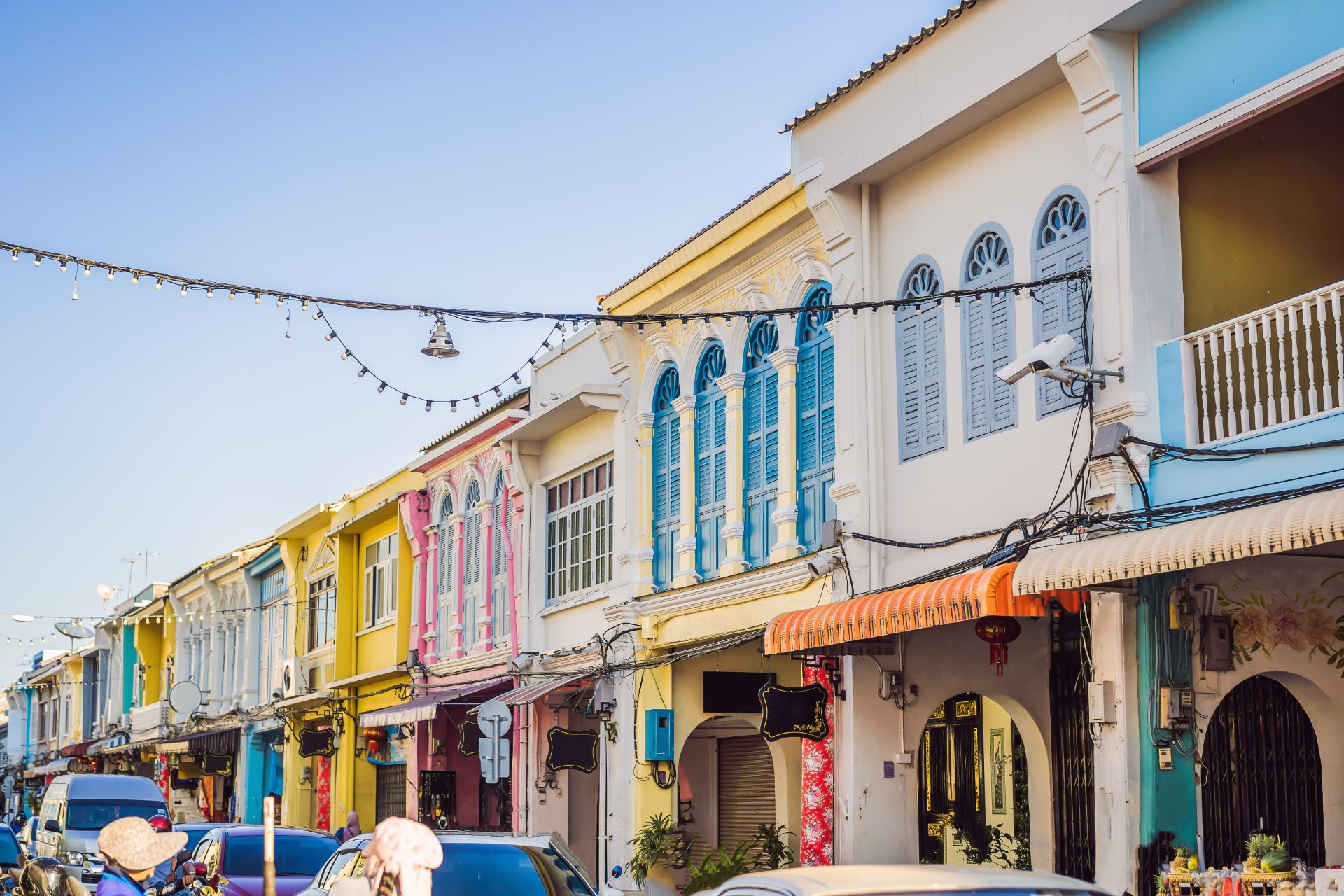
The visual identity of the area is defined by its iconic Sino-Portuguese architecture. These protected heritage buildings are not just tourist attractions, as they serve as functional residential and commercial assets. Investing in a shophouse here is akin to acquiring a piece of the island’s legacy.
Due to strict zoning laws that preserve the historic skyline, the supply of these properties is permanently capped.
This scarcity ensures that while capital appreciation might be more gradual than in high-volume beach projects, the value retention of heritage properties remains incredibly high.
Adaptive reuse projects that involve turning historic shells into boutique hotels or creative offices have become one of the most successful investment strategies in the district.
Strategic Connectivity: Between Urban Comfort and Coastal Bliss
A common misconception is that living in the city means being disconnected from Phuket’s famous waters.
In reality, Phuket Old Town is strategically positioned between the island’s retail powerhouses and its southern shores. Major shopping hubs like Central Phuket and leading home improvement centers such as Home Pro (home furniture store) Phuket are less than 10 minutes away.
Furthermore, the district serves as a gateway to the coast. You can enjoy the urban atmosphere in the morning and be on the sands of Rawai or Kata Beach in approximately 15 to 20 minutes.
This proximity allows residents to have the best of both worlds: the convenience of professional infrastructure and the ease of a coastal escape, without the premium prices often found directly on the beachfront.
Property Segments: Shophouses, Modern Condos, and Boutique Business Opportunities
The urban layout of Phuket Old Town creates a distinct segmentation in the property market. Unlike the vast villa estates of the coast, investment here is concentrated on heritage preservation and high-density residential projects.
This urban diversity allows for a stable market that caters to both commercial entrepreneurs and residential professionals.
Traditional Shophouses: Multi-Generational Mixed-Use Assets
Shophouses are the functional heart of the city. These unique properties usually offer a ground floor commercial space with residential units above, providing a dual income stream for owners. In recent years, we have seen a surge in interest for renovating these structures into boutique hotels, creative studios, or art galleries.
From an investment perspective, these assets are highly sought after because of their freehold status and strategic location.
Ownership is often held long-term by local families, making any available plot or building a rare find.
For those who understand the value of adaptive reuse, a shophouse in the heritage zone represents one of the most durable commercial business opportunities in Phuket.
Urban Condominiums: Low-Maintenance Living for the Modern Workforce
While the heritage core is protected, the surrounding areas have seen a rise in modern condominium developments. These projects are designed for year-round residency rather than short-term tourism.
The primary tenant base consists of healthcare professionals from nearby international hospitals, educators, and the island’s business elite.
Choosing a condominium in Phuket Old Town offers a lower capital entry point compared to beachfront projects, while maintaining high occupancy rates.
These developments prioritize practical amenities like secure parking, fitness centers, and proximity to transportation hubs. Because the demand is driven by local necessity, investors often enjoy 12-month lease structures that deliver predictable cash flow and significantly lower management turnover.
Commercial Infill and Redevelopment Potential
Land availability within the city boundaries is increasingly limited, which reinforces the value of centrally located plots.
We are seeing a trend of "infill development," where older or underutilized structures are being repositioned into modern office spaces or boutique residential hubs.
This structural scarcity ensures a steady appreciation of existing assets. For an investor, the strategy here is not about speculative spikes but about long-term capital preservation.
As the city continues to modernize while keeping its historical charm, these infill projects offer a way to capture growth in a supply-restricted market that serves as the island’s economic engine.
Choosing the Right Atmosphere: Phuket Old Town vs. The West Coast Resorts
Deciding where to invest in Phuket often comes down to the intended purpose of the asset. While the west coast is famous for its sunset views and immediate beach access,
Phuket Old Town offers a contrasting value proposition that prioritizes urban convenience and cultural depth.
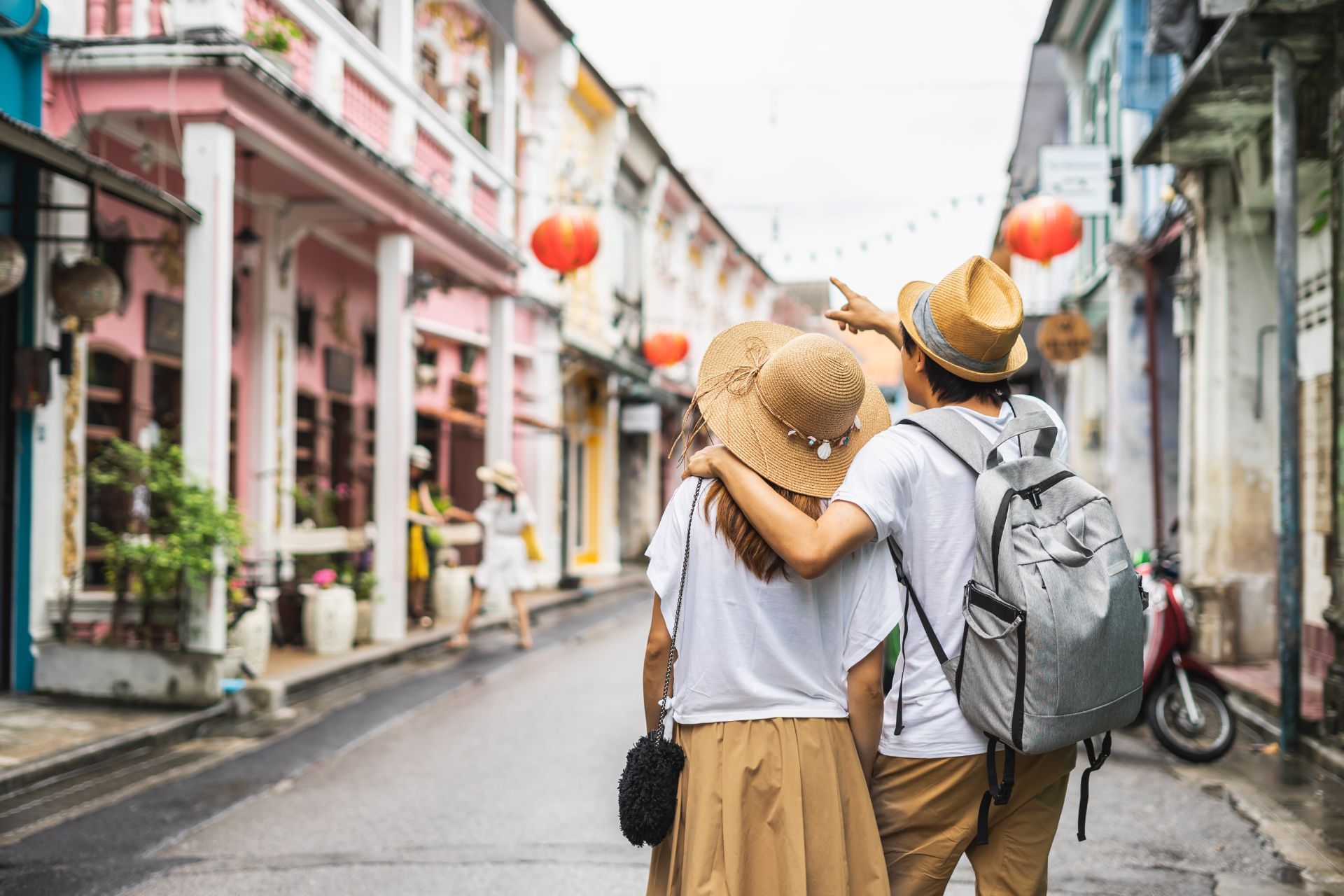
Stability Over Seasonality
The primary difference lies in the demand cycle. West coast locations like Patong or Bang Tao are heavily influenced by the tourism high season, leading to significant yield spikes followed by quieter months.
Phuket Old Town, however, operates on a much more consistent schedule. Because the area serves as the professional and administrative hub of the island, occupancy remains stable year round. For an investor, this means a more predictable cash flow and less reliance on the volatility of international travel trends.
The Best of Both Worlds
Choosing the city does not mean sacrificing the island lifestyle. Residents of Phuket Old Town enjoy a strategic central location that provides efficient access to both the commercial east and the scenic west.
While you are surrounded by the best hospitals and shopping malls in the island, the famous sands of Kata or Karon Beach are only a 20 to 25 minute drive away.
This proximity allows the district to function as a versatile residential base that offers the amenities of a metropolis with the soul of a tropical island.
Expert Insight: The Value of Adaptive Reuse in Heritage Districts
For those looking to achieve above average returns in Phuket Old Town, the most successful strategy often involves adaptive reuse.
This process refers to taking a historic structure, typically a Sino-Portuguese shophouse, and modernizing its internal function while preserving its architectural shell.
When you look at a property in the heritage zone, pay close attention to the structural integrity and the flexibility of the floor plan.
Many older buildings were designed for traditional commerce, but they can be brilliantly transformed into boutique hotels, high-end galleries, or creative workspaces.
These renovated assets often command a premium in the rental market because they offer a character and aesthetic that modern developments cannot provide.
From a technical perspective, always verify the zoning regulations and heritage protection codes before beginning a renovation.
The municipal government is highly protective of the city's aesthetic, which is a benefit for long-term value preservation but requires a careful approach to construction.
Investing in a property that has been thoughtfully upgraded to include modern ventilation, high-speed internet, and soundproofing while maintaining its original facade is the gold standard for heritage investment in Phuket.
Beyond the Heritage Core: Exploring Alternative Urban Investments
While Phuket Old Town offers a unique historical appeal, diversifying your portfolio with similar high growth districts can add another layer of security to your strategy.
Understanding how the city connects to other professional hubs allows you to identify value in areas that share the same year round residential demand.
Investors who appreciate the local authenticity of the city often find Thalang to be a compelling alternative.
While it is located further north, Thalang mirrors the cultural depth and residential stability of the Old Town but on a much larger geographic scale.
It is a region where you can find larger land plots and modern houses at accessible entry points, making it ideal for those who seek a balance between traditional Phuket life and modern connectivity near the airport.
Another strategic option to consider is the central district of Kathu. Positioned as the logistical heart of the island, Kathu provides a similar urban convenience to the city but with a stronger focus on golf course living and university infrastructure.
It serves as a vital link between the shopping powerhouses of Central Phuket and the vibrant west coast, offering high liquidity for urban condominiums. Exploring these neighboring districts through our dedicated silo pages will help you define whether the historical charm of the city or the expanding infrastructure of Thalang and Kathu best aligns with your long-term objectives.
Essential Guide: Common Questions About Phuket Old Town
The Investment Perspective
- Is Phuket Old Town a good investment for long-term rental yields? Yes, because the area functions as the administrative and professional heart of the island. Unlike resort zones that depend on seasonal tourism, the city maintains consistent occupancy from healthcare professionals, government officials, and local business owners throughout the year.
- What are the ownership rights for foreigners in the city area? Foreigners can own condominiums outright under a Foreign Freehold title, which is common in modern urban projects. For historic shophouses, investors typically utilize long-term leasehold structures or Thai company limited frameworks, often with the intent of high value heritage renovation.
- How does the pricing in the city compare to the west coast resorts? Phuket Old Town offers a much more accessible entry point, with property prices per square meter often sitting materially below those in Bang Tao or Kamala. This lower capital exposure allows for a more stable and defensive investment strategy focused on gradual capital appreciation rather than high risk speculation.
Lifestyle and Connectivity
- Is the Old Town too far from the beaches for residents? A common misconception is that the city is isolated from the coast. In reality, a resident can enjoy the urban culture of the city and still reach the beaches of Rawai, Kata, or Karon within approximately 20 to 25 minutes.
- What shopping and daily amenities are available in the city? The city provides the most complete infrastructure on the island. Major retail powerhouses like Central Phuket and large scale home improvement centers such as Go Pro are only a 10 minute drive from the heritage core, offering a level of convenience that resort areas often lack.
- Is Phuket Old Town suitable for digital nomads and remote professionals? Absolutely. The area has become a secondary hub for the island's remote workforce due to its high-speed fiber optic infrastructure and a dense concentration of work-friendly cafes. Unlike the more transient atmosphere of Patong, the city offers a stable urban environment that appeals to long-term professionals who prioritize reliable connectivity and a walkable lifestyle.
- Is Phuket Old Town suitable for families? The district is highly functional for families due to its proximity to the island’s leading private hospitals, international schools, and government administrative offices. The walkable streets and rich gastronomy scene, including many Michelin recognized eateries, provide a sophisticated urban environment for long-term living.
- What is the availability of healthcare and high-end retail in the area? The city acts as the logistical backbone of the island. Leading international hospitals such as Bangkok Hospital Phuket and Vachira are within a 10-minute drive of the heritage core. Furthermore, major retail destinations like Central Phuket and professional home centers such as Go Pro are conveniently located nearby, offering a level of urban infrastructure that beach resorts cannot match.
- Is Phuket Old Town a pet-friendly environment for long-term residents? The neighborhood is increasingly supportive of pet owners, with many boutique cafes and community spaces around the historic streets welcoming dogs. There are several reputable veterinary clinics and specialized pet supply stores located within the city boundaries, ensuring that professional expatriates can maintain a comfortable lifestyle with their animals.